Spain’s Magical Cave Village Under the Rock
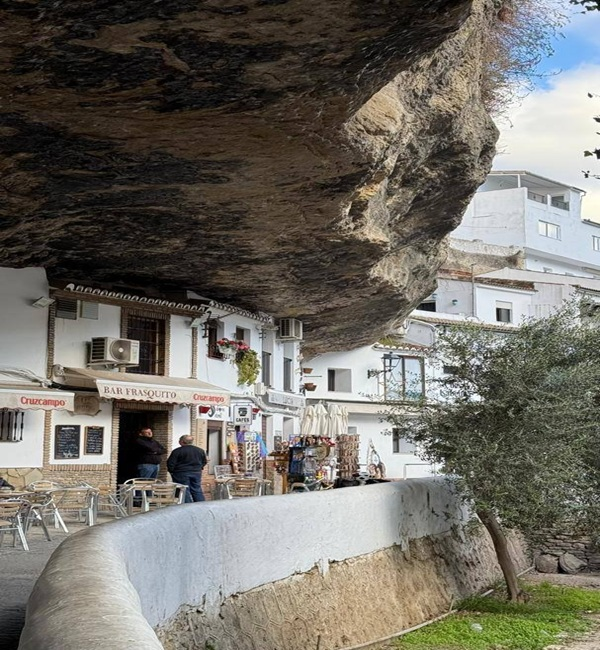
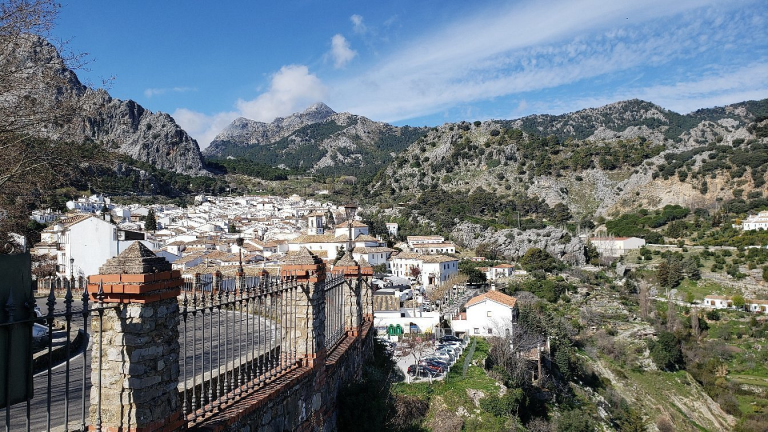
Nestled in Cádiz province along Andalusia’s famed White Villages route, Setenil de las Bodegas mesmerizes with homes tucked beneath colossal rock overhangs along the Río Trejo gorge. This enchanting pueblo blanco near Ronda fuses ancient cave dwellings, medieval defenses, and vibrant local life, ideal for travelers chasing off-the-beaten-path Spain adventures. Renowned as a top hidden gem, it promises immersive walks through shaded lanes, stunning vistas, and genuine Andalusian hospitality on day trips or extended escapes.
Ancient History of Setenil de las Bodegas
Between 1407 and 1484, Christian armies under Juan II and the Catholic Monarchs mounted seven assaults, triumphing only on the final one, which elevated Setenil to royal village status and boosted commerce. Churches rose atop former mosques, merging Mudéjar arches with Gothic spires in a layered heritage. Modern visitors connect with this legacy at the castle ruins, evoking the fall of Granada’s Nasrids.
Signature Lanes and Rock Homes
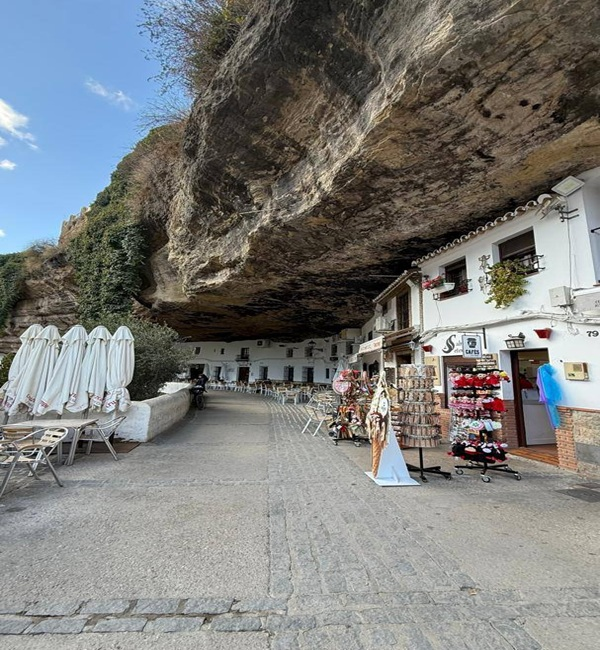
Cuevas del Sol’s sunny southern exposures and Cuevas de la Sombra’s cooler northern shelters define Setenil de las Bodegas’ iconic alleyways, where residences emerge from boulders offering year-round climate control in Andalusia’s extremes. Pedestrians navigate these tight passages past flower-draped entrances, pausing at spots like Bar Frasquito for drinks in former caverns or snapping shots along Calcetas street’s pure troglodyte vibe. Locals maintain the “Spanish Gibraltar” nickname, tying to Cádiz lore. Romantic touches like the “Bésame Aquí” tile on Herrería lane add whimsy amid the geology-meets-architecture wonder. These setups defy weather naturally, turning the village into a living testament to adaptive building among Spain’s white towns. Overnight in renovated rock guesthouses for the full sensory dive.
Must-See Sites and Panoramas
Start at Plaza de Andalucía’s treed square below a sheer cliff, then scale to Mirador del Lizón through manicured gardens or the Encarnación Church balcony. The Moorish Torreón (€1.50 fee) unveils gorge-spanning views from siege-era walls, while the 16th-century Nuestra Señora de la Encarnación boasts carved retablos on mosque foundations. Hermitages like San Sebastián whisper tales of Isabella the Catholic’s vanished heir.
For an overview of the town and landscape travel to a few elevated perches—San Sebastián lane, Ventosilla Alta, Carmen viewpoint (93 stairs), or Olvera roadside—capture golden-hour glows over Sierra de Grazalema, thrilling hikers and people looking for the perfect photograph.
Defining Pathways and Cave Dwellings
Sun-drenched Cuevas del Sol on the south side contrasts with the breezier Cuevas de la Sombra to the north, forming Setenil de las Bodegas’ hallmark routes where houses blend into rock faces for steady indoor climates through Andalusia’s seasonal swings. Foot traffic fills these slim corridors with views of blossoming doorways, stops at cave-turned-cafes like Bar Frasquito, or pure cave essence on Calcetas lane. The “Gibraltar of Spain” label nods to local provincial pride.
Charming details, such as Herrería’s “Kiss Me Here” plaque framed by blooms, infuse playfulness into the stone-human harmony. This design battles elements effortlessly, positioning the town as a prime example of resourceful construction in Spain’s white village circuit. Converted rock lodgings invite overnight authenticity with their even temperatures.
Essential Landmarks and Scenic Spots
Plaza de Andalucía’s leafy enclave under a vertical rock face sets a relaxed tone, leading upward to Mirador del Lizón past terraced gardens or from Encarnación Church heights. Entry to the 12th-century Torreón costs €1.50 and rewards with expansive gorge panoramas from ancient battlements. The 1500s Nuestra Señora de la Encarnación features detailed wooden screens over prior Islamic grounds, alongside San Sebastián chapel folklore about Queen Isabella’s missing offspring.
The bustling Mercado de Abastos overflows with fresh goods, complemented by Acinipo’s ancient theater side trip. Prime vantage points include San Sebastián path, upper Ventosilla, 93-step Carmen lookout, or Olvera highway pull-off, framing Sierra de Grazalema’s hues at twilight for trail lovers and shutterbugs in this tucked-away Andalusian treasure.
Foodie Favorites and Regional Tastes
Setenil de las Bodegas shines with classic Cádiz fare: cool gazpacho soups, hearty salmorejo layered with ham and boiled eggs, plus cured chacinas featuring chorizo and morcilla as bar snacks. Pickled olives, top-shelf olive oils, nuts, and robust wines elevate dishes at grotto-style La Escueva, known for garlic-infused rabbit or tender oxtail. Family-friendly El Almendro grills lamb with house sweets; casual haunts like Bar Stop or Casa Pepa serve market-inspired tapas.
Semana Santa sees Vera-Cruz groups marching from parishes, blending devotion with routine life. These flavors echo the merchant surge after the 15th-century takeover.
Getting Around and Stay Tips
Secure spots at Los Caños entry circle or areas by the sports pitch to skip winding lanes, then cover the cozy core on foot. Access via 90-minute drive from Málaga Airport on A-357/A-367, 60 from Seville, Ronda buses (20km distance, Los Amarillos service), or packages pairing with Ronda sights. Spring or autumn suit outdoor pursuits; early summer starts tame the warmth.
Lodging varies from upscale Villa de Setenil to cozy Las Cuevas farm stays—reserve promptly. Branch out to Grazalema Nature Reserve for griffon vulture spotting, pedal routes, or Hundidero-Gato cavern adventures. Its pedestrian-friendly safety appeals to independent voyagers, duos, or groups hunting distinctive Spanish locales.
Setenil de las Bodegas captures Andalusia’s essence, blending geology with heritage and savory bites. Embark on this overhanging paradise amid your white towns journey.