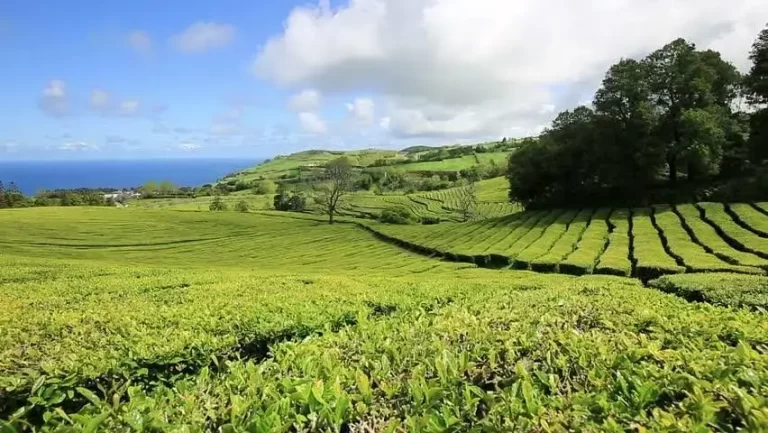
The Azores on São Miguel Island is home to the only tea plantations in Europe.
Gorreana (est. 1883) has produced black and green teas for over 140 years. Using traditional, organic methods without pesticides, these plantations offer scenic, free-to-visit, and guided tours, including tastings of their unique, locally grown teas.
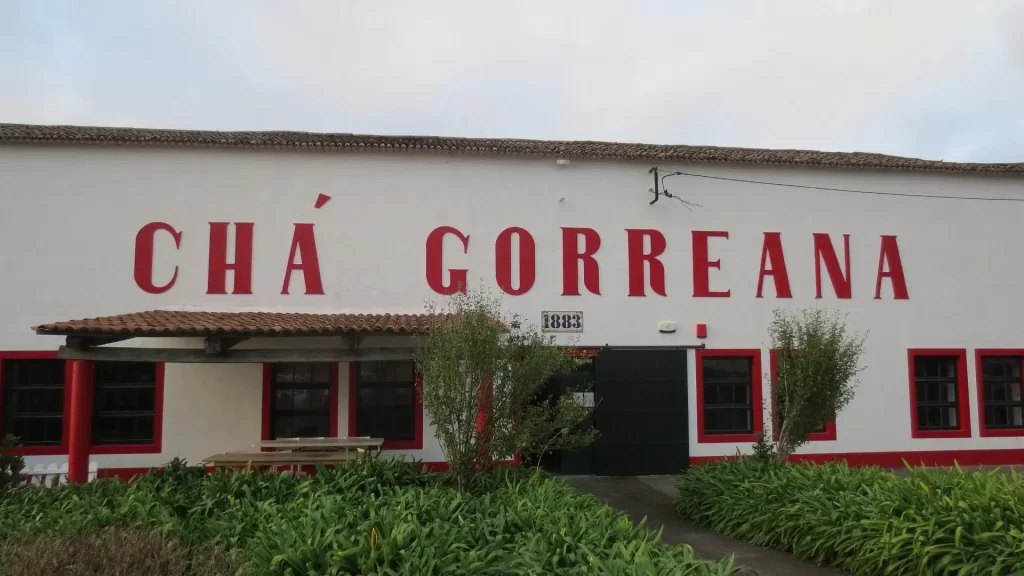
Gorreana Tea Factory
- This is the oldest continuously operating tea factory in Europe, producing organic tea since 1883.
- It is a family-run business that still uses original 19th-century British machinery.
- The climate and isolation from pests mean no pesticides or herbicides are needed in production.
- Visitors can take self-guided tours, watch the production process (best during harvest season, April-October), hike through the scenic plantations, and enjoy complimentary tea tastings with panoramic ocean views.
- Gorreana produces both black teas (Orange Pekoe, Pekoe, Broken Leaf, Moinha, Ponta Branca, Oolong) and green teas (Hysson, Encosta de Bruma, Pérola). Use the link provided to reserve a tour of the Gorreana Plantation.
Porto Fomoso Tea Factory
- Located just a short drive from Gorreana, this factory re-opened in 2001 after closing in the 1980s.
- It operates as both a factory and a museum, preserving the history of tea in the region.
- The factory offers free guided tours, after which visitors can enjoy a cup of tea in a restored traditional kitchen setting or on a veranda with views of the fields.
- Annually, in spring (first Saturday of May), they recreate a traditional tea harvest where participants dress in period clothing and pick tea by hand.
- Porto Formoso primarily produces 100% organic black tea varieties, including Orange Pekoe, Pekoe, and Broken Leaf.

Azorean Tea Culture
Tea was introduced to the Azores in the 19th century as a replacement crop for the declining orange industry, with experts from China hired to teach cultivation techniques. The unique microclimate and volcanic soil of São Miguel Island proved ideal for growing the Camellia sinensis plant, the source of all black and green tea. Azorean tea is known for its delicate aroma and smooth, light flavor profile.
A History of Tea in The Azores

Long before tea became a familiar comfort across Europe, it first arrived through Portuguese hands. In the 16th century, Portuguese priests and merchants living in China encountered tea as part of daily life and trade. When they carried it back to Europe, they also carried its name. The Chinese character for tea could be pronounced in different ways—te, linked to a Malay word for “drink,” or cha, derived from the Mandarin term associated with harvest.
The Portuguese favored the latter, and so chá became the word that endures in the Portuguese language to this day.Centuries later, tea found fertile ground far from Asia, on the Atlantic island of São Miguel in the Azores. Around 1820, Jacinto Leite, a native of the island, played a decisive role in this new chapter. While serving in Brazil as commander of the Royal Guard to King João VI, Jacinto recognized the potential of tea cultivation. He returned home with seeds brought from Rio de Janeiro and established what would become São Miguel’s first tea plantation.

The island’s mild climate and volcanic soil proved unexpectedly well suited to tea. As the years passed, cultivation expanded slowly but steadily, winning the confidence of local farmers and investors. At the same time, the Azorean economy was facing a serious challenge: the orange trade, once its economic backbone, was collapsing. Tea emerged as a hopeful alternative. The Micaelense Promoter Society championed it as the next great economic cycle, capable of reviving the island’s fortunes.
By the mid-20th century, that optimism seemed fully justified. Tea production became a central occupation on São Miguel, reaching its height in the 1950s. Nearly 300 hectares were under cultivation, and exports soared to around 250 tons. For a small island isolated in the middle of the Atlantic, the achievement was remarkable, and the future of Azorean tea appeared secure. Now these plantations produce teas that are exported worldwide and considered among the best tea in the world.
Yet global forces soon reshaped that promise. In the years following World War I, combined with protective trade policies favoring tea from Mozambique, Azorean producers struggled to compete. The pressure was relentless. By 1966, the industry had contracted dramatically: of the 14 tea-processing factories once operating on the island, only five remained.
Today, the legacy of that era survives in just two places—the Gorreana Tea Factory and the Porto Formoso Tea Factory. Together, they stand as living reminders of a time when tea transformed São Miguel’s landscape, economy, and identity, linking a small Atlantic island to a global story that began centuries earlier in China.
Need help choosing a guide? We offer personalized itinerary planning including suggestions of where to stay in Portugal & Spain. Work With Me to design your perfect Portugal itinerary.