A Culinary Journey Through Northern Spain
Every journey is individually tailored, with handpicked luxury accommodations, private experiences, and the flexibility to include additional destinations throughout Northern Spain. Contact us to make this your journey.
● The Basque Lands- Donostia San Sebastian
San Sebastián is one of the world’s great culinary capitals and an ideal place to spend several nights. Wander through the lively Old Town. Sample pintxos paired with Txakoli wine. Dine at one of the 5-star celebrated Michelin restaurants.
Old Town has narrow ancient streets dotted with artisanal shops and teeming cafes serving pintxos, the Basque version of tapas including the Gilda pintxo invented in the late 1940s at Casa Vallés, given it’s name after customers began describing the bite as green, salty, and a little spicy— like the sultry, scandalous character played by Rita Hayworth in the 1946 film noir classic Gilda. Visit Casa Valles in Donostia-San Sebastian
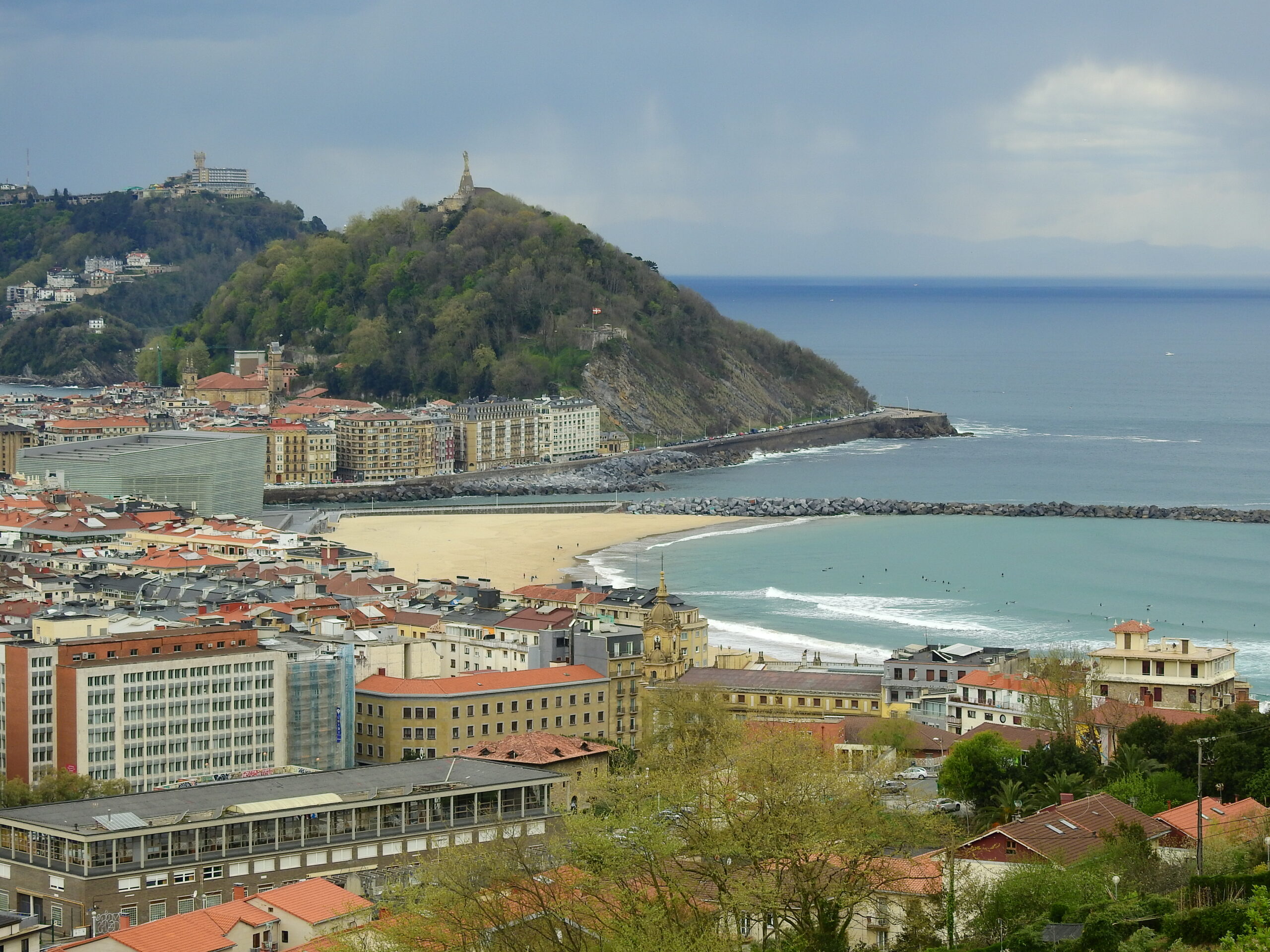
The Basque Lands: Sample iconic Gilda pintxos in San Sebastián and tour Getaria’s coastal vineyards
La Rioja – Logroño & Haro
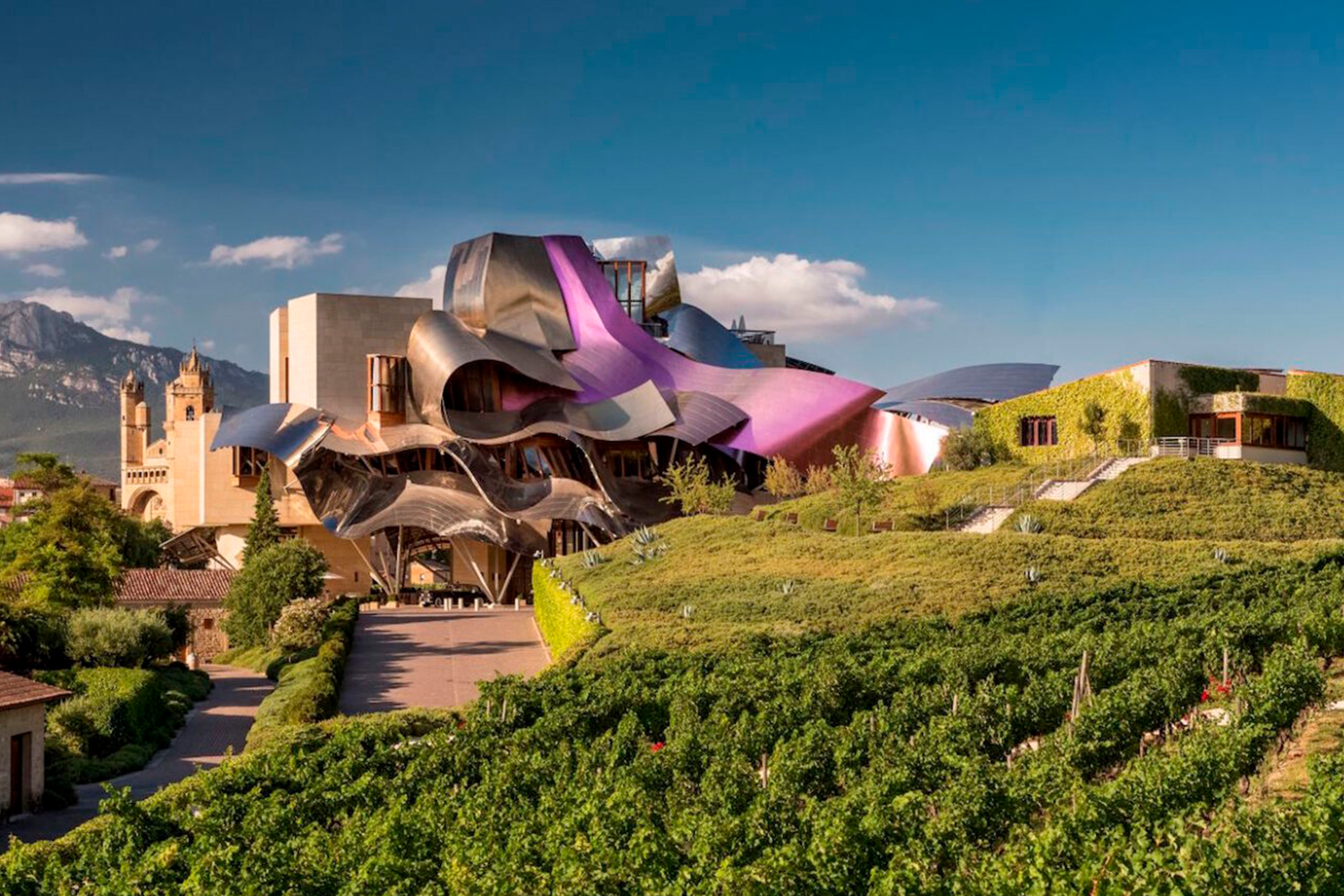
Start the day by visiting Logroño, the vibrant heart of La Rioja and an excellent base for exploring Spain’s premier wine region. Stroll the medieval streets, enjoy tapas along the famous Calle Laurel, and visit standout wineries such as Marqués de Riscal and dine at their celebrated restaurant with its striking Frank Gehry-designed hotel.
La Rioja: Stroll medieval streets and taste premier vintages at the avant-garde Marqués de Riscal.
● Cantabria – Santander
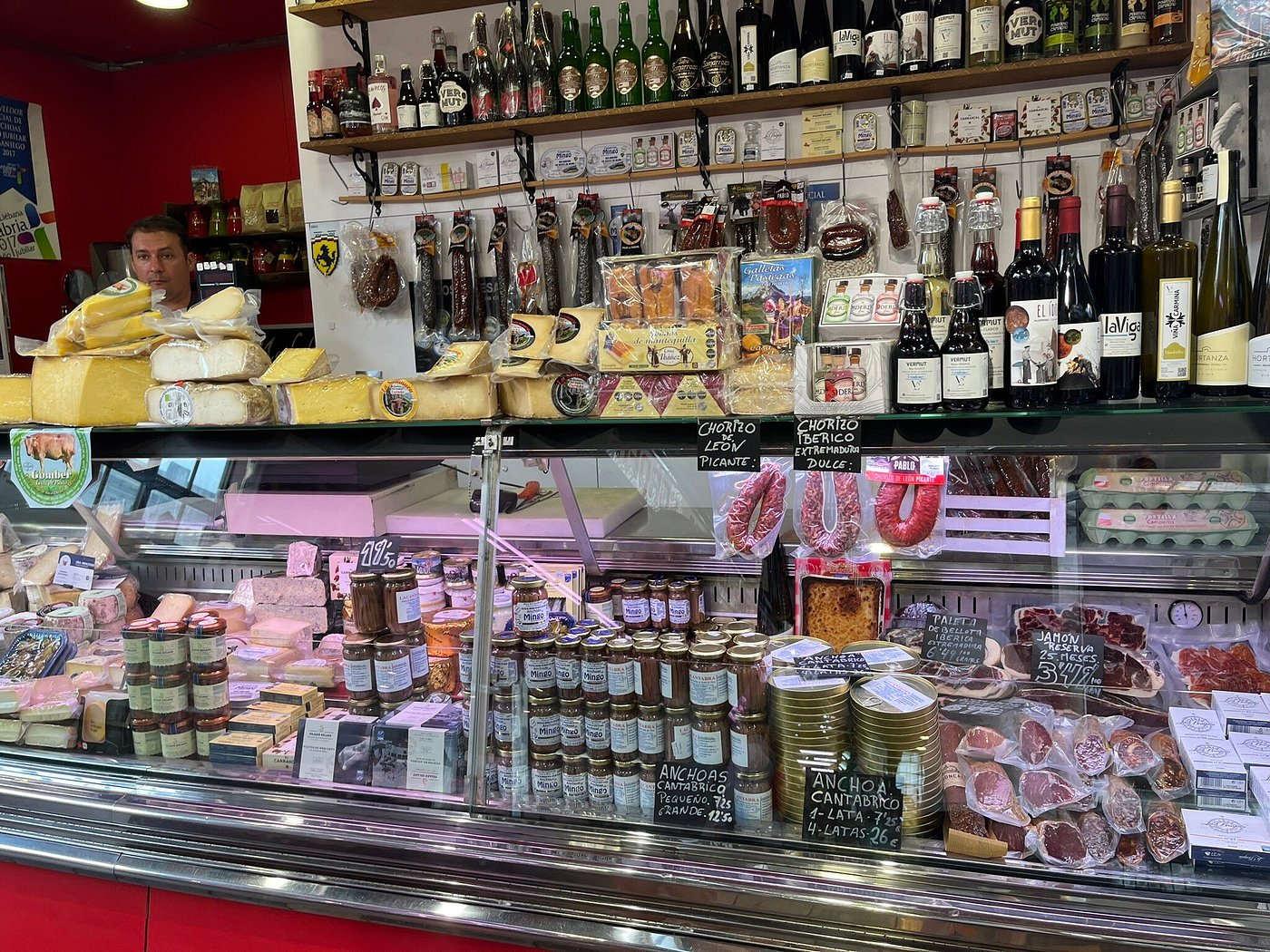
Santander is an elegant seaside city on a sweeping bay where broad promenades meet excellent seafood restaurants, the striking Centro Botín, and the historic Mercado de la Esperanza built in 1902, a huge, riveted iron market built with gourmet stalls, cafés, and local delicacies such as rabas, anchovies, and quesada pasiega, a dessert typical of the region of Cantabria, Spain. It has the consistency of a dense pudding,
Cantabria: Taste local rabas and anchovies inside Santander’s historic, 1902 iron market.
Crossing into Galicia
As the journey continues west, the coastline becomes more rugged and deeply indented, giving way to Galicia’s lush green hills, quiet estuaries, and centuries-old stone villages. This historic region bears the imprint of Celtic traditions, Roman engineering, and the medieval pilgrims who have followed the Camino de Santiago for over a thousand years.
Galicia’s cuisine reflects its close relationship with the sea, featuring octopus, oysters, mussels, scallops, razor clams, and other exceptional shellfish, complemented by artisan cheeses, savory empanadas, and the crisp Albariño wines of the Rías Baixas. Each stop offers another taste of the region’s enduring culinary and cultural heritage before arriving in Santiago de Compostela.

This photo of Gijon is courtesy of Tripadvisor
Asturias – Oviedo
The graceful city of Oviedo provides an excellent introduction to Asturias and an ideal base for exploring the region. Its historic center is filled with elegant plazas, traditional cider houses, and remarkable pre-Romanesque churches recognized as a UNESCO World Heritage Site.
In Asturias, gastronomy is deeply connected to local traditions and rural life, with natural cider poured in the distinctive Asturian style and enjoyed alongside regional specialties such as Fabada Asturiana.
Asturias: Enjoy hearty Fabada Asturiana alongside UNESCO pre-Romanesque monuments in Oviedo.
● Galicia – Santiago de Compostela
Conclude your culinary journey in Santiago de Compostela, the spiritual heart of the Camino de Santiago and home to one of Europe’s most magnificent cathedrals, where the revered tomb of the Apostle Saint James rests beneath the main altar.
Beyond its UNESCO-listed Old Town, Santiago is one of Galicia’s finest food destinations, with lively tapas bars, traditional taverns, and the renowned Mercado de Abastos showcasing Atlantic seafood, Galician octopus, Padrón peppers and crisp Albariño wines.
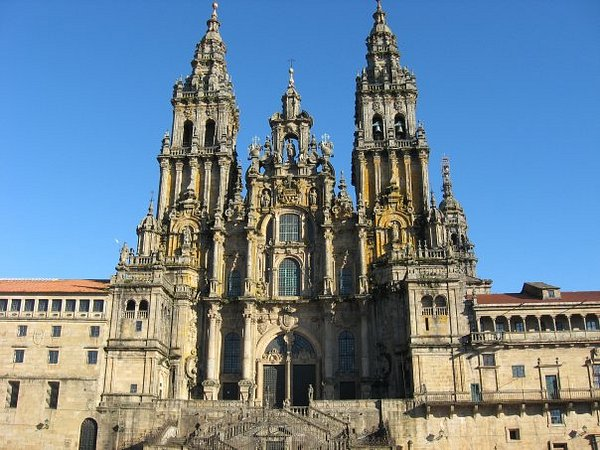
Galicia: Pair fresh Atlantic seafood and crisp Albariño wine at the majestic finish line of the Camino de Santiago