
A Culinary Journey Through Northern Spain
This Culinary Journey through Northern Spain was inspired by the earth, sea, and history of the north of Spain, from the Basque lands to Cantabria, Asturias, and Galicia. From the world-class culinary capital of San Sebastián to the spiritual, stone-carved streets of Santiago de Compostela, Michelin-starred innovation, bite-sized pintxos, and traditional Asturian cider poured straight from the barrel. During this journey you will experience UNESCO World Heritage architecture, ancient Celtic roots, and coastal fishing villages steeped in maritime history.
Day 1 to Day 3
Donostia - San Sebastian
Start your Culinary Journey of northern Spain in the food capital of the Basque Lands. Set on the beautiful Bay of Biscay, San Sebastián is one of the world’s great culinary capitals and an ideal place to spend several nights exploring the heart of the Basque Country.
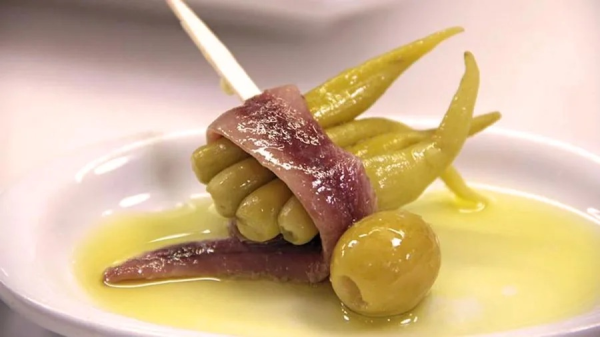
When people think of Spanish cuisine, dishes like paella and tapas often come to mind. But in the Basque Country, and especially in San Sebastián, there is one culinary tradition that truly stands out: pintxos. More than just a local specialty, pintxos are part of the city’s identity, shaping the way locals and visitors experience food, social life, and the rhythm of the streets.
This small but iconic bite captures the essence of Donosti’s gastronomy, where creativity, quality ingredients, and a strong sense of place come together in every bar. From classic combinations to modern interpretations, pintxos offer a delicious introduction to the flavors that define the region. They are the perfect starting point for discovering San Sebastián through its food, one bite and one neighborhood at a time.
Days 4 & 5
Spain's Legendary Wine Country
La Rioja
In La Rioja, Spain’s premier wine region, rolling vineyards, medieval villages, and centuries of winemaking tradition shape one of Europe’s most celebrated wine destinations.
Stay two nights in Logroño, the region’s vibrant capital, exploring its historic center and the famous Calle Laurel, where traditional tapas bars serve regional specialties perfectly paired with Rioja wines. During your stay, visit nearby Haro, where many of Spain’s most prestigious wineries have helped establish the worldwide reputation of Rioja wines.
The image shows the iconic Marqués de Riscal Hotel and winery, one of Rioja’s most recognizable landmarks. Designed by Frank Gehry, the building is known for its dramatic, sculptural form and shimmering metal exterior, while Marqués de Riscal is celebrated for its elegant Rioja reds.
Your Journey Continues to Cantabria and Asturias
Day 6 & 7
Cantabria: Atlantic Heritage
Santander sits on a broad bay where promenades overlook the water and a network of seafood restaurants serves the daily catch. This connection to the coast is best experienced at the Mercado de la Esperanza, a 1902 iron market that serves as the primary hub for regional ingredients where vendors supply the city with fresh seafood and traditional products.
Signature Cantabrian Cuisine
The culinary identity of Santander is defined by the intersection of mountain and sea. Visitors must sample rabas, crispy deep-fried squid strips that serve as the quintessential coastal appetizer, and locally sourced Cantabrian anchovies, which are world-renowned for their quality and brine. For a deeper taste of the region, savor cocido montañés, a hearty and traditional mountain stew prepared with beans, cabbage, and local pork.
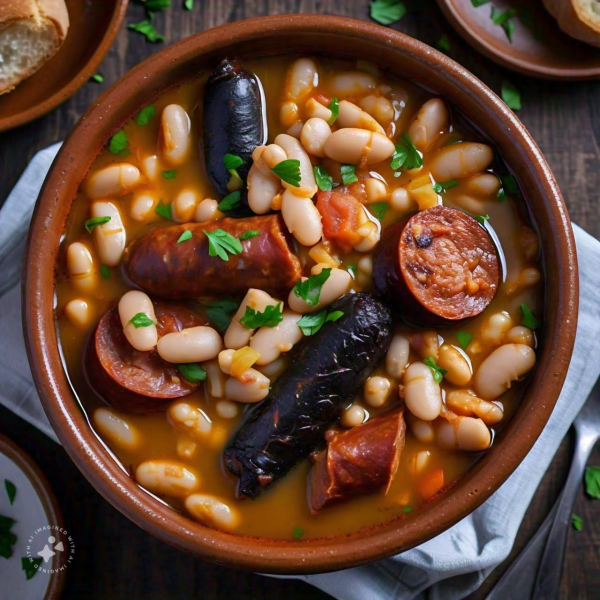
In Galicia the coastline becomes more rugged, giving way to lush green hills and ancient villages

Days 8 & 9
Coastal Traditions & Heritage
Asturias
Oviedo is a historic heart of northern Spain, famous for its 9th-century pre-Romanesque architecture, like the ornate Santa Maria del Naranco and the Oviedo Cathedral.
he region is also famous for its vast selection of artisanal cheeses, most notably the intense, cave-aged Cabrales. For a sweet conclusion to your visit, try a carbayón—a delicate puff pastry filled with almonds and eggs that has been a local favorite for a century—or the thin, chocolate-covered almond biscuits known as moscovitas.
Days 10 to Day 12
Pilgrimage and Heritage
Santiago de Compostela
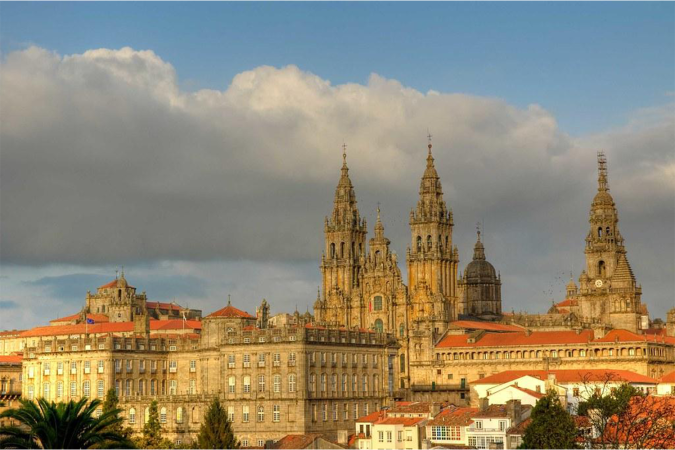
The journey concludes in Santiago de Compostela.
Beyond its magnificent cathedral and UNESCO-listed Old Town, Santiago de Compostela offers travelers an authentic taste of Galicia’s renowned cuisine, from the bustling Mercado de Abastos to traditional taverns and restaurants serving local specialties. The flavors of the region reflect its Atlantic heritage, with fresh seafood, pulpo a la gallega (Galician octopus), scallops, mussels, oysters, empanada gallega, padrón peppers, artisan cheeses, and the famous almond dessert tarta de Santiago.
Paired with crisp Albariño wines and the warmth of Galician culture, Santiago de Compostela provides a memorable finale to a Northern Spain food and cultural journey.
Tailored Travel Services
We provide comprehensive travel planning services fully customized to your specific requirements, including handpicked luxury accommodations and private luxury transportation with professional local guides assisting you whenever required to ensure an expert perspective on each destination.
Because every itinerary is individually developed, we offer the flexibility to include additional locations and adjust activities to align with your personal travel preferences. This trip is designed to include all the above and can also be designed as a self – guided experience if requested.